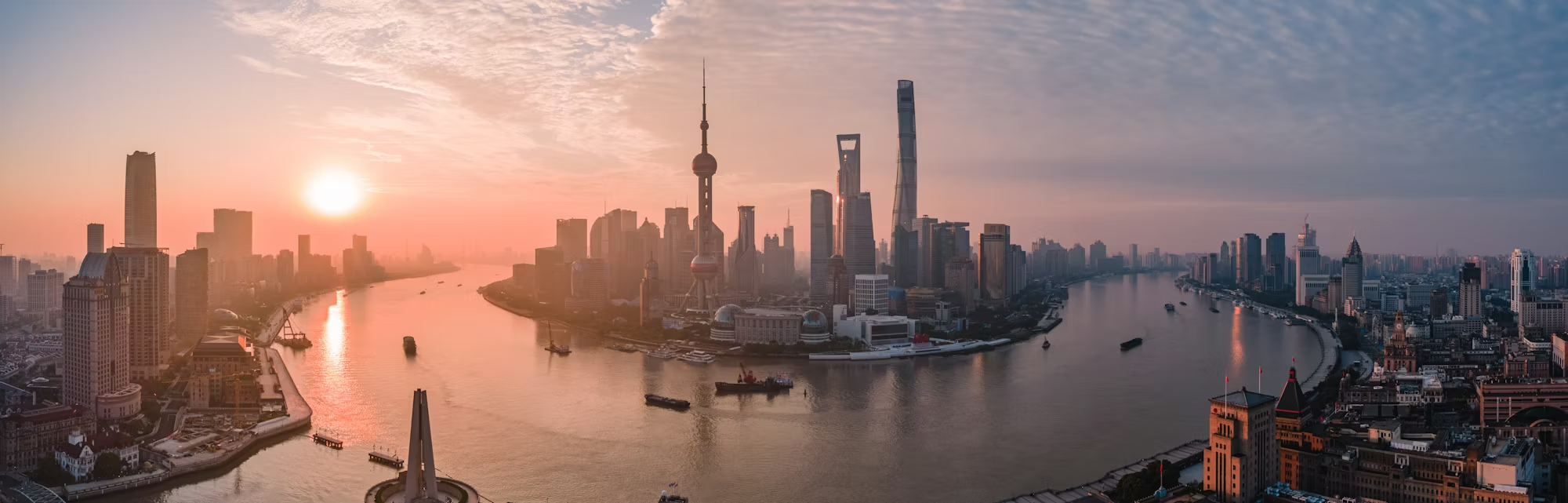
In recent years, urban centers around the globe have witnessed a transformative shift in architectural design, with mixed-use skyscrapers emerging as a compelling solution to the challenges of modern urban living. These towering structures blend residential, commercial, and recreational spaces within a single footprint, fostering community interaction and promoting sustainability. This article explores the rise of mixed-use skyscrapers, their benefits, design considerations, and the implications for the future of urban environments.
Mixed-use skyscrapers are characterized by their multifunctionality, integrating various uses—such as apartments, offices, retail shops, and public spaces—into one cohesive structure. This approach not only maximizes land use but also encourages a vibrant street life, reducing the need for extensive travel and promoting walkability. Cities are increasingly recognizing the value of mixed-use developments in addressing urban sprawl and creating more livable communities.
One of the most significant advantages of mixed-use skyscrapers is their ability to foster community interaction. By combining different functions within a single building, these structures create opportunities for residents and visitors to engage with one another. For example, a mixed-use skyscraper might feature a café on the ground floor, offices on the middle floors, and residential units above. This arrangement encourages spontaneous encounters and helps build a sense of community among diverse groups of people. Moreover, having essential services and amenities within walking distance enhances convenience for residents and reduces dependence on cars.
Sustainability is another crucial aspect of mixed-use skyscrapers. As cities grapple with environmental concerns and the effects of climate change, architects and developers are increasingly prioritizing eco-friendly designs. Mixed-use buildings can incorporate green technologies, such as solar panels, energy-efficient systems, and rainwater harvesting, contributing to reduced carbon footprints. The Bosco Verticale in Milan is a prime example of this trend, featuring vertical gardens that not only enhance aesthetics but also improve air quality and promote biodiversity. These green elements contribute to the overall sustainability of urban environments, creating healthier spaces for residents.
The design of mixed-use skyscrapers poses unique challenges and opportunities for architects. Effective design requires a careful balance between the various functions within the building. For instance, residential spaces must offer privacy and tranquility, while commercial areas should be easily accessible and inviting. This requires thoughtful planning to minimize noise and disruption while maximizing functionality. Furthermore, the integration of communal spaces, such as lounges, rooftop gardens, and recreational areas, enhances the overall experience for residents and visitors, creating a sense of belonging and encouraging interaction.
Another important consideration in the design of mixed-use skyscrapers is accessibility. Ensuring that buildings are inclusive and cater to diverse populations is essential for fostering community engagement. Features such as ramps, elevators, and clear signage can help create an environment where everyone feels welcome. Additionally, incorporating public transit access into the design can further enhance connectivity and reduce reliance on personal vehicles. As cities increasingly prioritize public transportation, mixed-use skyscrapers can serve as key nodes in urban transit networks, promoting sustainable mobility.
The economic benefits of mixed-use skyscrapers are also noteworthy. By creating spaces that attract both residents and businesses, these developments contribute to local economies and can revitalize neighborhoods. Retail spaces within mixed-use buildings can support local businesses, while residential units can draw new residents to the area, boosting property values and stimulating investment. Moreover, the presence of diverse functions within a single building can create a vibrant atmosphere that attracts visitors and tourists, further enhancing economic activity.
As urban populations continue to grow, the demand for mixed-use skyscrapers is likely to increase. Developers and city planners are recognizing the need for innovative solutions to accommodate this growth while maintaining quality of life. In response, many cities are revising zoning regulations to encourage mixed-use developments, providing incentives for developers to create integrated spaces that serve multiple purposes. This trend is particularly evident in rapidly urbanizing regions, where the pressure to maximize land use and create sustainable communities is paramount.
Looking ahead, the future of mixed-use skyscrapers appears promising. As technology continues to evolve, architects and developers have access to new tools and materials that can enhance the design and construction of these structures. Innovations such as 3D printing, smart building technologies, and modular construction techniques offer exciting possibilities for creating efficient and sustainable mixed-use developments. These advancements can help reduce construction time, lower costs, and improve overall quality, making mixed-use skyscrapers an even more attractive option for urban centers.
In conclusion, mixed-use skyscrapers represent a new paradigm in urban development, offering innovative solutions to the challenges of modern cities. By integrating residential, commercial, and recreational spaces, these structures foster community interaction, promote sustainability, and contribute to vibrant urban environments. As cities continue to evolve, the role of mixed-use skyscrapers will become increasingly significant, shaping the future of urban living. With a focus on sustainability, inclusivity, and economic vitality, mixed-use skyscrapers are poised to redefine our urban landscapes, creating spaces that enhance the quality of life for all residents. The potential for these developments to transform cities is immense, making them a cornerstone of contemporary urban planning.